
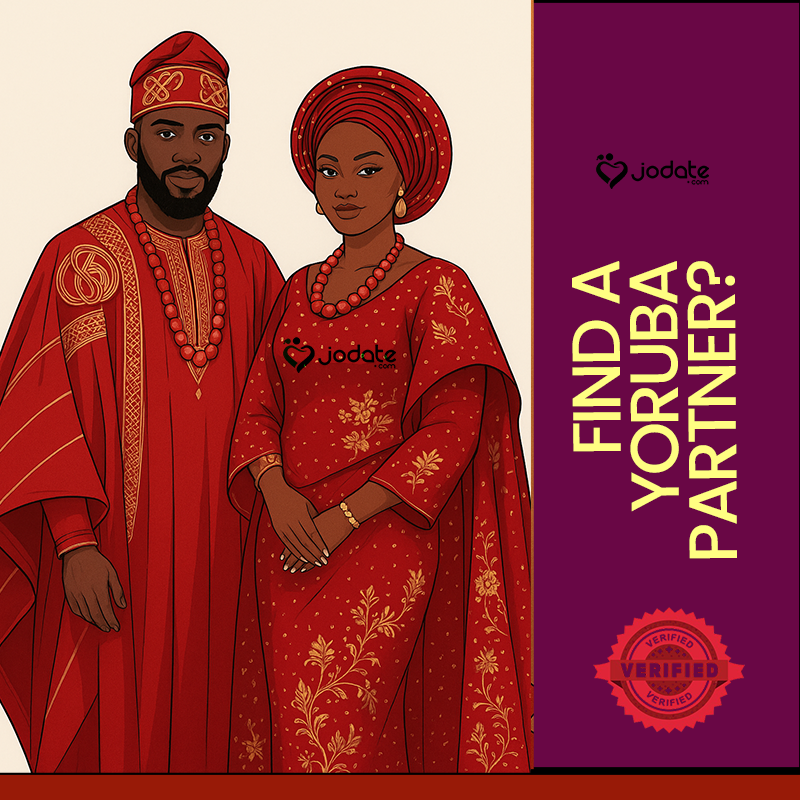
Cultural Influences on Dating Practices in Africa
Cultural Influences on Dating Practices in Africa
Africa is a continent rich in diversity, with over 3,000 ethnic groups, each possessing its unique cultural nuances that significantly influence dating practices. Traditional dating norms often emphasize familial approval and community values, reflecting the interdependence characteristic of many African societies. In several cultures, the involvement of family is crucial in the choice of a partner, with parents and elders frequently advising the younger generation on suitable mates, reinforcing a connection to heritage and collective values.
In contrast, modern dating practices are increasingly embracing individual preferences and romantic freedom, particularly among urban youths. The blending of traditional values with contemporary approaches gives rise to varied dating experiences across different regions. For instance, while some cultures endorse arranged marriages where families play a pivotal role, others champion love-based unions grounded in personal choice.
Cultural rituals also play an essential role in cementing romantic relationships. Many African societies have specific courtship rituals, such as dowry negotiations or introductory ceremonies, which serve to outline the seriousness of the commitment. In places like Nigeria, the Igbo tradition includes the "Igba Nkwu" or wine-carrying ceremony, symbolizing the bride’s family's approval of the union. Similarly, in South Africa, the custom of "Lobola," or bride price, remains significant in many communities, emphasizing the importance of family and societal acknowledgment in relationships.
Overall, the complexity of dating practices in Africa illustrates a profound amalgamation of traditional and modern influences. As cultures evolve and globalization permeates, African dating continues to adapt, reflecting both time-honored customs and contemporary social dynamics. This dynamic interplay ensures that love and partnership remain an intricate yet beautiful aspect of life across the continent.
The Role of Technology in Modern African Relationships
In recent years, technology has profoundly transformed the dating landscape across Africa. The rise of smartphones and internet connectivity has propelled the use of dating apps and social media platforms, which have become increasingly popular among the younger generations. These digital tools facilitate easier access to potential partners, enabling individuals to explore romantic connections beyond their immediate geographical areas.
Dating apps such as Tinder, Badoo, and AfroIntroductions are gaining traction in various African countries. They provide users with a platform to create profiles that showcase their interests, values, and preferences. This shift towards online dating allows individuals to engage with a diverse pool of potential partners, breaking through traditional barriers associated with matchmaking practices. Moreover, social media platforms like Facebook and Instagram further enhance opportunities for connection, where users can meet others through mutual friends or shared interests.
While technology offers these new avenues for romance, it is not without its challenges. Online safety remains a significant concern, as the anonymity of the internet can lead to deceptive practices and cyberbullying. Moreover, cultural barriers can complicate online interactions, as varying norms and expectations around dating exist throughout the continent. Users may find themselves navigating different attitudes towards relationships, often leading to misunderstandings.
The digital communication brought about by technology is reshaping traditional approaches to dating in Africa, allowing for a blend of modernity and cultural heritage. Engaging with potential partners through apps and social media encourages dialogue and fosters real connections. By embracing technology, individuals are not only forming romantic relationships but also building communities that transcend geographic limitations. This evolution in dating practices signifies a broader cultural shift towards embracing new methods of connection amidst the rich tapestry of African traditions.
Challenges Faced in Dating and Relationships in Africa
Dating and relationships in Africa are often influenced by a myriad of challenges that arise from social constructs, economic conditions, and cultural beliefs. Societal expectations play a crucial role in shaping the dating landscape, mandating behaviors that align with traditional views. Many individuals encounter pressure to conform to established gender roles, where men are typically seen as providers, while women are expected to fulfill domestic responsibilities. This dynamic can create tension within romantic relationships, particularly when partners have differing aspirations and values.
Moreover, there is a considerable stigma surrounding premarital relationships in various African communities. Engaging in dating before marriage can be perceived negatively, leading to judgment from family and society. This stigma may compel individuals to either hide their relationships or compromise their beliefs to gain acceptance, thus affecting the authenticity of their partnerships. Additionally, some cultural norms discourage open discussions about love, intimacy, and personal preferences, further complicating the dynamics of modern relationships.
Economic factors also pose significant challenges, as many young adults face unemployment or financial instability. This reality can hinder their ability to pursue relationships. Long-distance relationships, whether due to work opportunities or educational pursuits, present another layer of difficulty, often straining emotional connections. Distance can foster feelings of insecurity and distrust, making it difficult for couples to maintain a healthy relationship.
Interviews conducted with couples across Africa reveal the profound impact of these factors. The pressure to adapt to societal norms can stifle individuality, making it vital for partners to navigate their relationships cautiously. By acknowledging these challenges, individuals can better understand the complexities of dating and relationships in Africa, paving the way for more meaningful interactions amid a diverse cultural landscape.
Interwoven Tales of Love and Connections
Love and relationships in Africa manifest in numerous ways, as evidenced by the myriad stories shared by individuals across the continent. Each narrative reflects the unique cultural backgrounds, social contexts, and personal experiences of the couples involved, revealing the intricate tapestry of romantic connections that thrive within diverse environments. From urban settings to rural landscapes, the experiences of love encompass various dynamics that contribute to community bonds and individual growth.
For instance, one couple from Kenya shared how their love blossomed amidst cultural expectations and familial pressures. Despite initial resistance from relatives who preferred adherence to traditional matchmaking norms, their commitment to one another ultimately prevailed. They attribute their resilience to open communication and a deep understanding of each other’s values, which allowed them to navigate the complexities of their relationship. This story underscores the importance of personal choice and mutual respect as foundational elements in modern African romances.
Similarly, a couple from Morocco offers insight into how cultural traditions continue to play a significant role in their relationship. Despite the modern influences that permeate their lives, they honor the customs and rituals that have been passed down through generations. By striking a balance between tradition and contemporary dating practices, they find ways to express their love while remaining connected to their roots. This narrative illustrates the adaptability and ingenuity of couples in harmonizing their identities within a globalized context.
These stories embody both the challenges and triumphs faced by couples navigating the landscapes of love in Africa. While each partnership is unique, the universal themes of connection, commitment, and understanding resonate profoundly across different backgrounds, serving as a reminder of the shared human experience when it comes to relationships. As we reflect on these personal tales, they collectively illuminate the rich, complex, and vibrant nature of love across the African continent.
